June 27, 1943. 10-year-old Vera Silva of Garden Grove didn’t go with her parents and four siblings to the nearby beach to enjoy the summer day. She stayed home to be with and help care for her blind grandmother. By nightfall, when the family had yet to return, her grandmother felt something ominous at happened. “Something is wrong,” she told Vera. “Something is very wrong.” Shortly after, the police arrived at the home.
And that’s when little Vera’s life changed forever.
The Crash
That afternoon, her family, along with their friends, the Borregos, went to the beach right across from where Newland Street meets the Pacific Coast Highway. In 1943, Huntington Beach’s border ended at Beach Boulevard so technically, this was an unincorporated area. Once both families settled on the beach, the two fathers decided to go to the store to get some food so everyone could enjoy a picnic by the water.

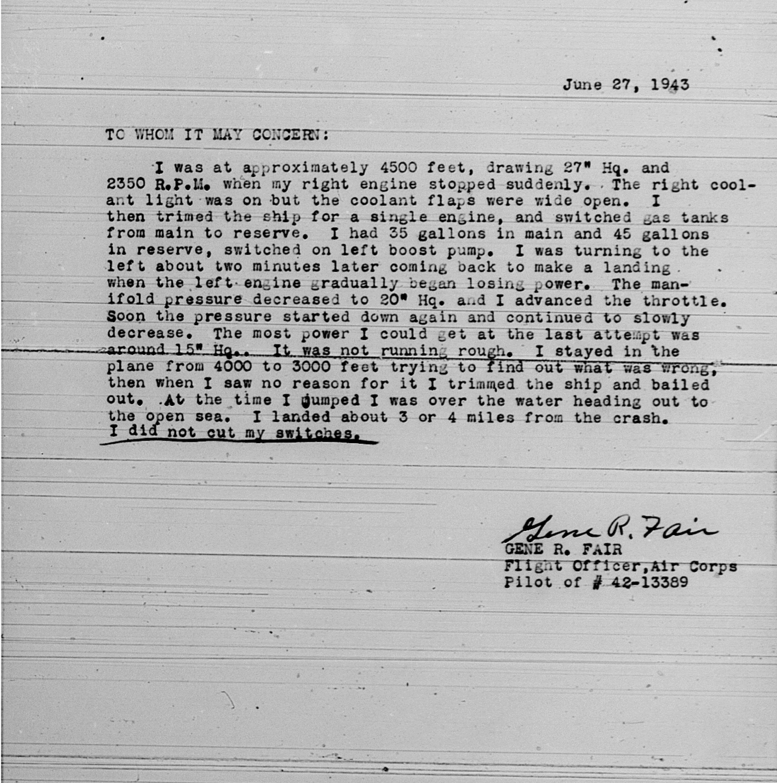
At a nearby air base, a squadron of P-38 fighter planes took off. One of them had engine trouble and separated from the formation. The pilot, Gene Fair, knowing he couldn’t get back to the base, ditched out over the ocean at about 3000 feet and soon landed safely and softly in a Huntington Beach strawberry patch a couple of miles inland. The plane continued traveling offshore where the pilot assumed it would eventually crash harmlessly in the ocean.
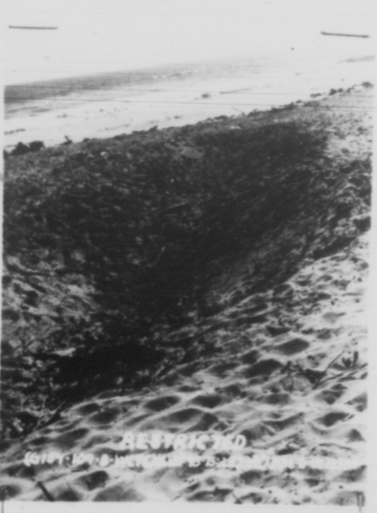
Both families on the beach noticed the low-flying plane as did people from the nearby Huntington Beach Pier. It flew overhead but then something went wrong. An unusually strong ocean wind redirected the plane back toward the beach and within seconds, it crashed at the shoreline. There was barely time to run away.
Vera’s sisters, Frances age 6 and Mary age 13, and her two brothers Rueben, 7 and Rudy 8 were all struck by the crash, along with dozens of other victims. The two girls would die within the day. Both boys survived with horrific burns. Two of the Borrego children were also killed.
When the fathers had left the beach to get food, the children had been playing by the water. When they returned, they were being loaded into ambulances.
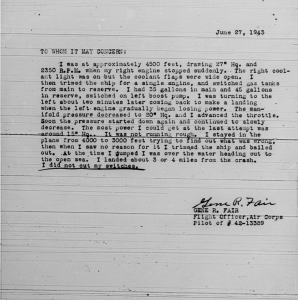
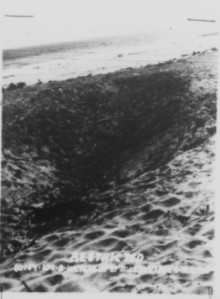
The aftermath
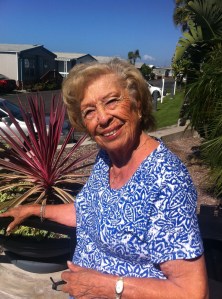
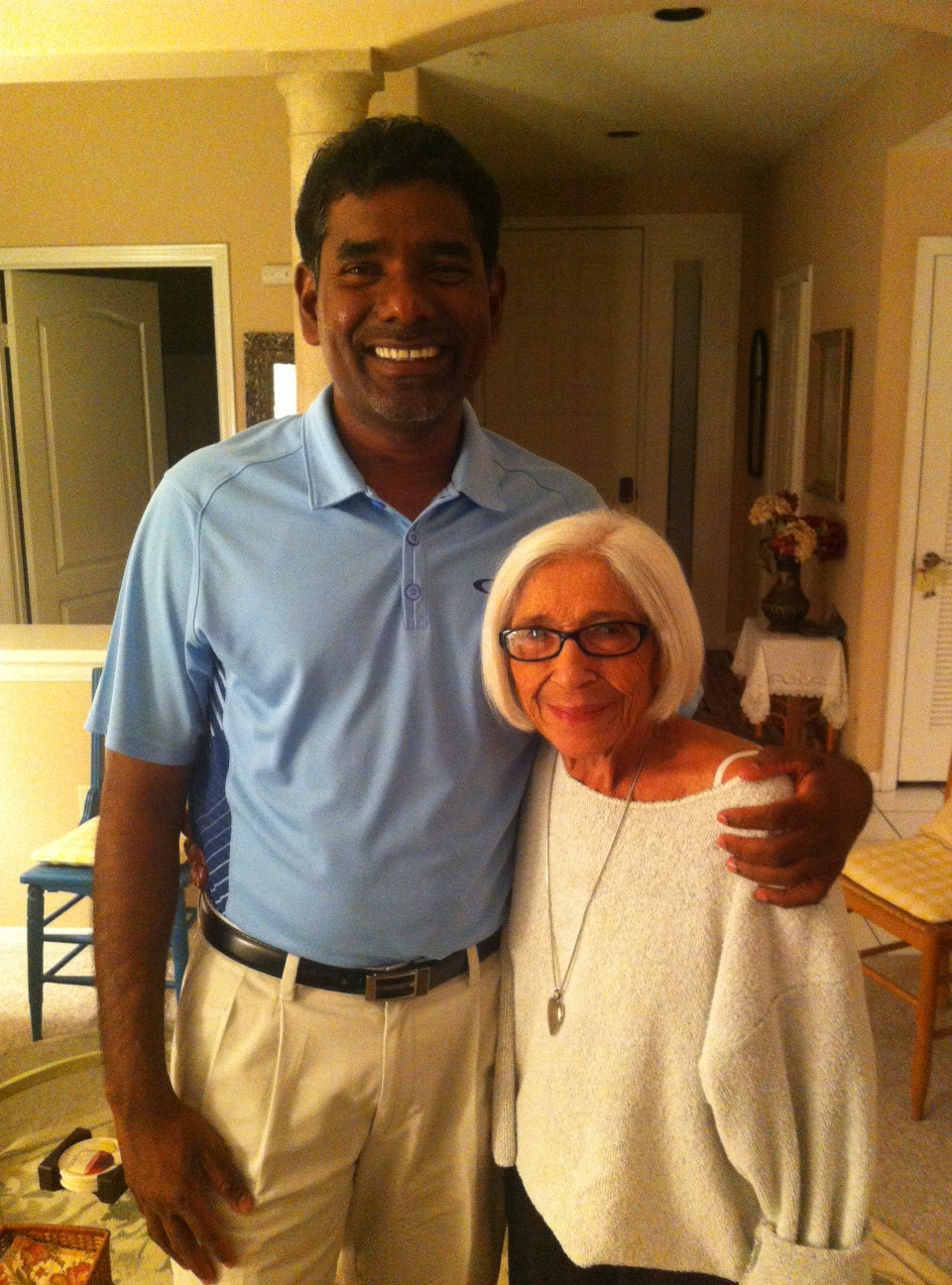
It’s the worst air disaster in Huntington Beach history and certainly one of the most horrific mainland accidents of the World War II era. Vera, from that point on in her life, looked after her brothers. Both of them died as young men, never truly recovering from the burns and other complications. Her parents died young as well, brokenhearted. Today, Vera is 83 years old. When she talks about the accident she still gets tears in her eyes. I met with her recently in the clubhouse of a mobile home park on Newland at PCH. This is where Vera’s daughter lives today. And as we all sat around a table, I shared with them that we were near the exact spot where the plane had gone down.
Everybody in the room seemed to grasp just how profound it was that Vera’s daughter Maria has settled where she has, not knowing what had taken place literally just outside her front door.
A witness on the Huntington Beach pier that day wrote, “I was on the beach by the South. I saw the P 38 climbing and it seemed to be under control. When at approximately 2000 feet it nosed straight down. I did not see the pilot parachute as I was too interested in watching the plane. The plane seemed to crash nose first and it burst into flame immediately. At first the plane was headed toward the sea but it turned and circled back and then crashed at the water’s edge.”
Immediately following the horrific crash, HB lifeguards, led by the legendary Bud Higgins, raced to the scene to help.
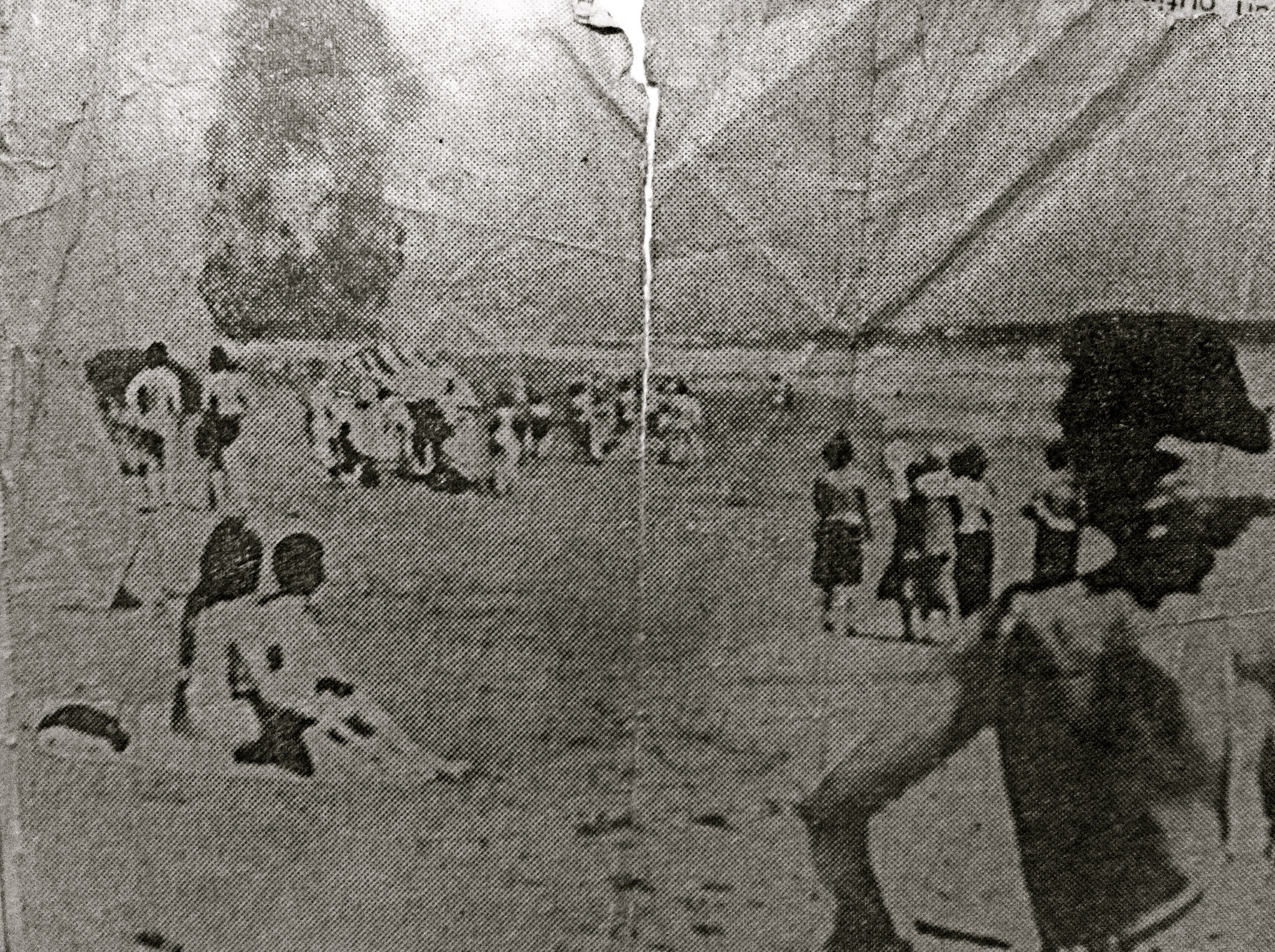
As the newspapers reported, “49 persons were injured, three of them critically burned, today when a blazing pilotless P-38 Army pursuit plane crashed and exploded in a crowded beach area. The plane was flying over the beach at a medium altitude when a wisp of smoke was seen to emerge from the fuselage. Immediately afterwards, the pilot parachuted off the plane, which continued to dive with throttles apparently wide-open. It smashed into the sands at the water’s edge just south of the Huntington Beach city limits and flaming high-octane gas shot out over the beach and flying debris blanketed the vicinity.”
Remembering history
Vera, at a young age, took care of her brothers. And her parents. Her life as a family matriarch was shaped, inspired and defined by that accident and she took her responsibilities seriously. She also told me her parents never held any grudges or ill will toward the pilot. They simply understood it had been a horrible accident. I think we forget sometimes what Huntington Beach was like during World War II. The Bolsa Chica Gun Club was by then used by the military as an outlook point of the Pacific Ocean had gun mounts that had been installed on the mesa, among other things. You know Brewster’s Ice House? That was originally a meat locker used to keep food on ice for the soldiers down on the beach.
Vera’s daughter Maria reached out to me and asked for help in getting a marker/kiosk installed near the crash site to help commemorate and remember exactly what happened. In addition to honoring the families that were so tragically torn apart on this day, I also think it’s an opportunity to educate people about a vital part of the city’s history: life during wartime.
So now we will begin trying to get it done.
On a bright, warm and breezy day, gazing off toward the spot where her life changed so dramatically on June 27 1943, Vera wipes one more tear. “My family went through a lot. So did the city. Maybe more people can know about this now.”










 Surf City Chronicles